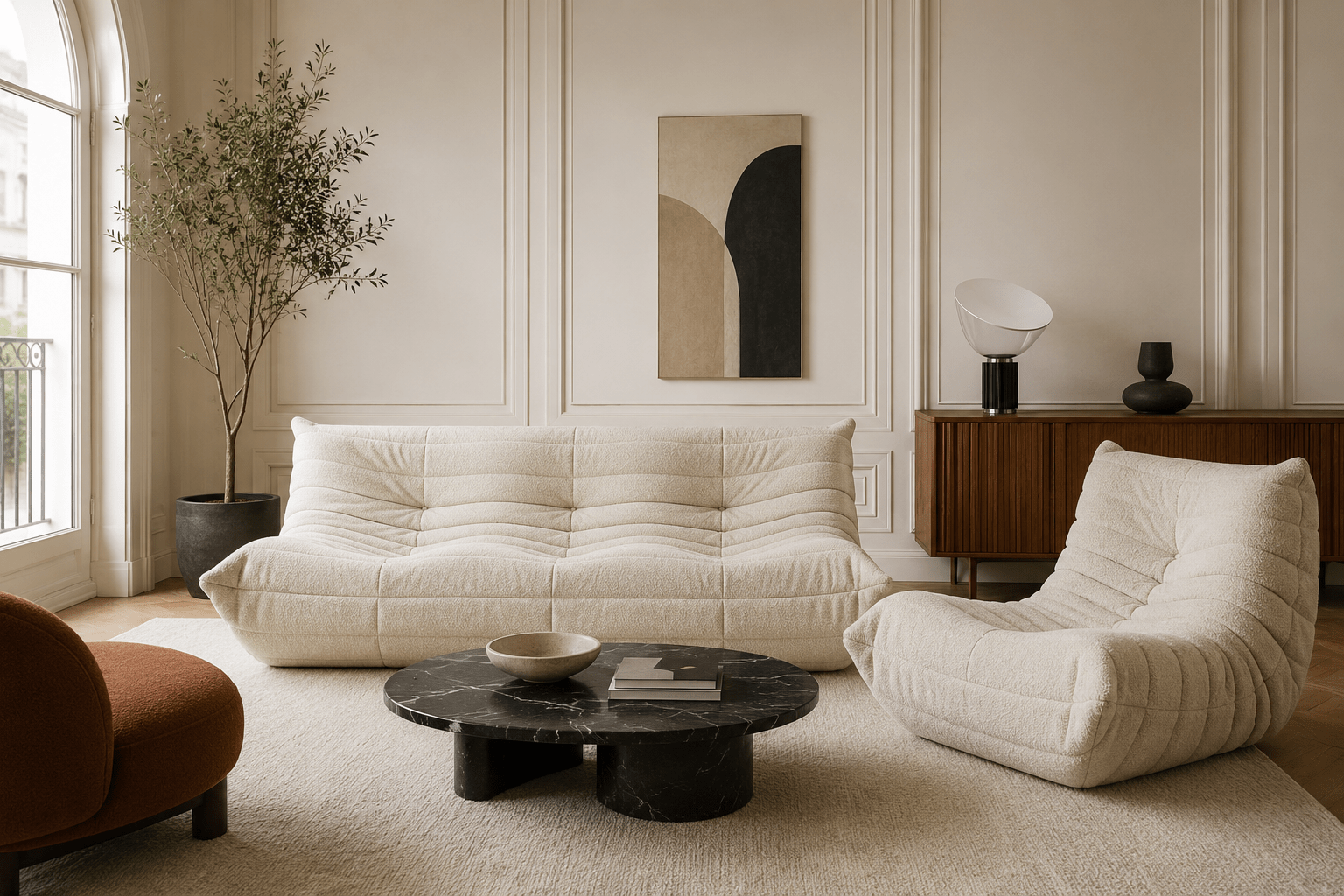
French furniture brands are gaining unprecedented international recognition in the premium home décor sector. Driven by exceptional craftsmanship, timeless aesthetics, sustainable production, and strong brand identities, companies such as Ligne Roset have become symbols of contemporary luxury living worldwide.
As consumers increasingly seek authenticity and long-lasting design, French furniture makers are strengthening their position across Europe, North America, Asia, and the Middle East.
Key Takeaways
- French furniture brands are becoming major players in the global premium home décor market.
- Ligne Roset stands out through innovative design and French manufacturing excellence.
- Sustainability and craftsmanship are key competitive advantages.
- International consumers increasingly value authentic European furniture brands.
- Premium home décor trends favor timeless design over fast furniture consumption.
Why French Furniture Is Experiencing a Global Renaissance
For decades, Italy dominated conversations around luxury furniture. While Italian brands continue to lead many segments, French manufacturers have steadily built a distinct position based on elegance, innovation, and cultural heritage.
Today’s affluent consumers are looking beyond status symbols. They want products that combine aesthetics, durability, and responsible production practices.
French furniture brands answer these expectations through:
- High-quality materials
- Local manufacturing expertise
- Long product lifecycles
- Sustainable production methods
- Collaborations with renowned designers
This combination has allowed French companies to differentiate themselves in an increasingly competitive global market.
The Evolution of the Premium Home Décor Market
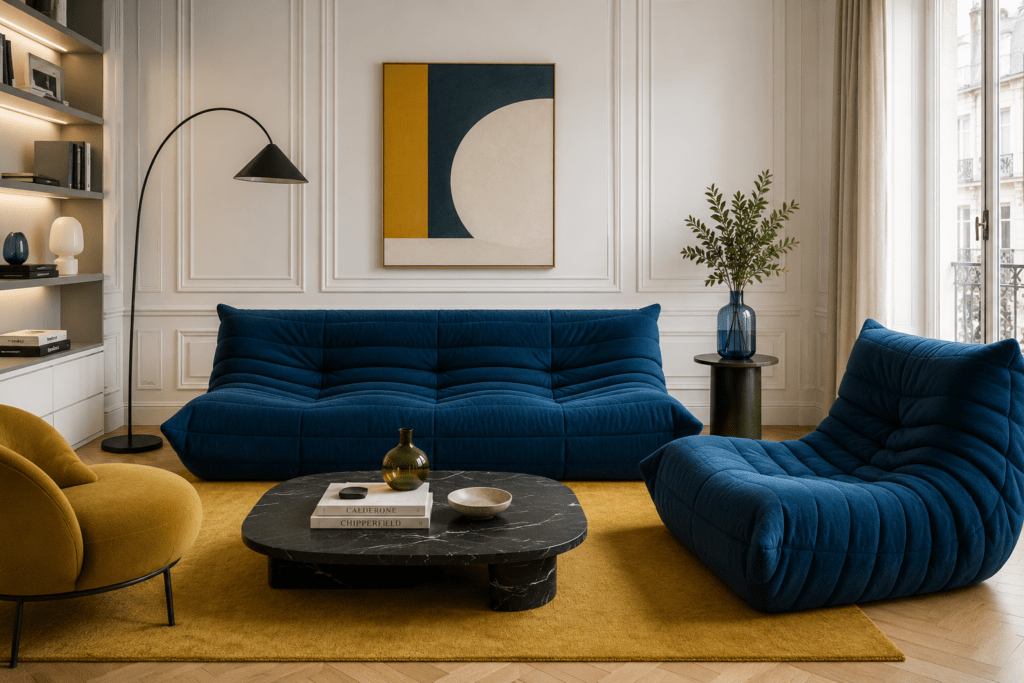
The premium home décor sector has undergone significant changes over the past decade.
Several factors have accelerated demand for high-end furniture:
| Market Driver | Impact on Consumer Demand |
| Remote work | Increased investment in home interiors |
| Sustainability concerns | Preference for durable furniture |
| Luxury lifestyle trends | Growth in premium furnishings |
| Urban renovation projects | Demand for design-focused products |
| Social media influence | Greater visibility for premium brands |
Consumers are no longer purchasing furniture solely for utility. Furniture has become a reflection of personal identity, lifestyle, and values.
This shift has created favorable conditions for French furniture manufacturers.
Ligne Roset: A Flagship of French Design Excellence
Among the brands benefiting from this trend, Ligne Roset, a globally recognized french sofa brand, has established itself as a benchmark for contemporary French furniture design. The company is renowned for combining innovative design, exceptional comfort, and French manufacturing expertise, making it one of the most influential names in the premium home décor market.
Founded in 1860, the company has evolved from a regional manufacturer into one of the most recognized names in contemporary furniture design.
What distinguishes Ligne Roset is its ability to combine industrial expertise with creative innovation.
Key Strengths of Ligne Roset
- French manufacturing heritage
- Collaborations with internationally acclaimed designers
- Contemporary and minimalist aesthetics
- Strong global retail network
- Long-term commitment to quality and sustainability
Perhaps the most iconic example is the Togo sofa, originally designed by Michel Ducaroy in 1973. Decades after its launch, it remains one of the most recognizable pieces in modern furniture design.
This longevity demonstrates an increasingly valuable characteristic in today’s market: timeless relevance.
The Competitive Advantages of French Furniture Brands
French furniture manufacturers have developed several advantages that resonate with premium consumers worldwide.
1. Design Rooted in Cultural Heritage
France’s reputation in fashion, architecture, and decorative arts naturally extends into furniture design.
Consumers often associate French brands with:
- Sophistication
- Creativity
- Refinement
- Artistic excellence
These perceptions help reinforce premium positioning.
2. Strong Manufacturing Expertise
Unlike many mass-market competitors, numerous French furniture brands continue to manufacture domestically.
This allows for:
- Better quality control
- Greater traceability
- Shorter supply chains
- Enhanced craftsmanship
Domestic production has become an increasingly important selling point in global luxury markets.
3. Sustainability as a Strategic Asset
Environmental responsibility is no longer optional in premium home décor.
Consumers increasingly evaluate furniture based on:
- Material sourcing
- Carbon footprint
- Repairability
- Product longevity
French manufacturers have responded by investing in sustainable materials and responsible production processes.
This approach aligns with growing consumer demand for conscious consumption.
How French Brands Are Expanding Internationally
Global growth has become a central objective for many French furniture companies.
Several regions are driving demand:
North America
American consumers are increasingly attracted to European design and premium interiors.
French furniture is often perceived as a sophisticated alternative to domestic and Scandinavian offerings.
Asia-Pacific
Countries such as China, South Korea, Singapore, and Japan continue to show strong demand for luxury home furnishings.
French brands benefit from the broader appeal of French luxury and lifestyle culture.
Middle East
Premium residential developments and luxury hospitality projects have created significant opportunities for high-end furniture manufacturers.
French design is frequently selected for prestigious residential and commercial interiors.
Common Mistakes Consumers Make When Buying Premium Furniture
Investing in premium furniture requires careful consideration.
Some common mistakes include:
Choosing Trends Over Longevity
Highly fashionable designs may quickly lose appeal.
Timeless furniture often delivers greater long-term value.
Ignoring Material Quality
Visual appearance alone is not enough.
Consumers should evaluate construction methods, upholstery quality, and manufacturing standards.
Focusing Exclusively on Price
Premium furniture represents a long-term investment.
A higher initial purchase price may translate into decades of use and lower replacement costs.
Overlooking Brand Heritage
Established brands often provide stronger quality guarantees, after-sales support, and product consistency.
What the Future Holds for French Furniture Brands
The outlook for French furniture manufacturers remains highly favorable.
Several trends are expected to support continued growth:
- Rising demand for sustainable luxury
- Growth of premium residential projects
- Expansion of e-commerce in furniture retail
- Increased interest in European craftsmanship
- Stronger consumer preference for durable goods
Brands capable of combining heritage, innovation, and environmental responsibility are likely to outperform competitors in the coming years.
French manufacturers appear particularly well positioned to capitalize on these shifts.
Why Ligne Roset Remains a Benchmark Brand
While many brands compete in the premium furniture segment, Ligne Roset continues to stand out through consistency and innovation.
The company has successfully maintained its identity while adapting to changing consumer expectations.
Its success illustrates a broader trend affecting the entire industry: premium consumers increasingly seek meaningful products with authentic stories, superior craftsmanship, and lasting value.
In this environment, French furniture brands are no longer niche players. They are becoming global references in contemporary home décor.
Conclusion
The rise of French furniture brands in the global premium home décor market reflects deeper changes in consumer behavior. Buyers increasingly prioritize authenticity, sustainability, craftsmanship, and timeless design.
Ligne Roset exemplifies this transformation through its combination of French manufacturing expertise, iconic design, and international appeal.
As demand for premium and sustainable interiors continues to grow, French furniture brands are well positioned to shape the future of luxury home décor worldwide.
Frequently Asked Questions
Why are French furniture brands becoming more popular internationally?
French furniture brands combine heritage, craftsmanship, and contemporary design. Consumers increasingly appreciate products that offer both aesthetic value and long-term durability, making French manufacturers attractive worldwide.
What makes Ligne Roset different from other premium furniture brands?
Ligne Roset is known for its innovative design collaborations, French manufacturing expertise, and iconic products such as the Togo sofa. The brand successfully balances creativity, comfort, and lasting quality.
Is French furniture considered luxury furniture?
Many French furniture brands operate within the premium and luxury segments. Their focus on craftsmanship, quality materials, and exclusive design often positions them above mass-market furniture manufacturers.
Are French furniture brands sustainable?
Many leading French manufacturers have adopted sustainable production practices, including responsible sourcing, local manufacturing, and durable product design. Sustainability has become a major competitive advantage in the sector.
Why is premium furniture considered a long-term investment?
Premium furniture is generally built with superior materials and construction methods. As a result, products tend to last significantly longer and maintain their aesthetic appeal for many years, reducing replacement costs over time.
Which international markets are driving growth for French furniture brands?
North America, Asia-Pacific, and the Middle East are among the fastest-growing markets. Consumers in these regions increasingly seek high-end European design and premium home décor solutions.